Latest Post

Friday, August 28, 2026

Galaxy S26 FE, GTA 6 Gameplay, and AI Standards

DeviceRank News Digest featured image
Featured image from a source covered in this digest.

Digest Highlights

  • Samsung is dropping regional processor splits for the Galaxy S26 FE, opting for the Exynos 2500 globally.
  • Anthropic launched a Model Hardware Standard to help AI agents control scientific and physical instruments.
  • Grand Theft Auto VI introduces realistic vehicle theft mechanics, requiring tools for locked cars.

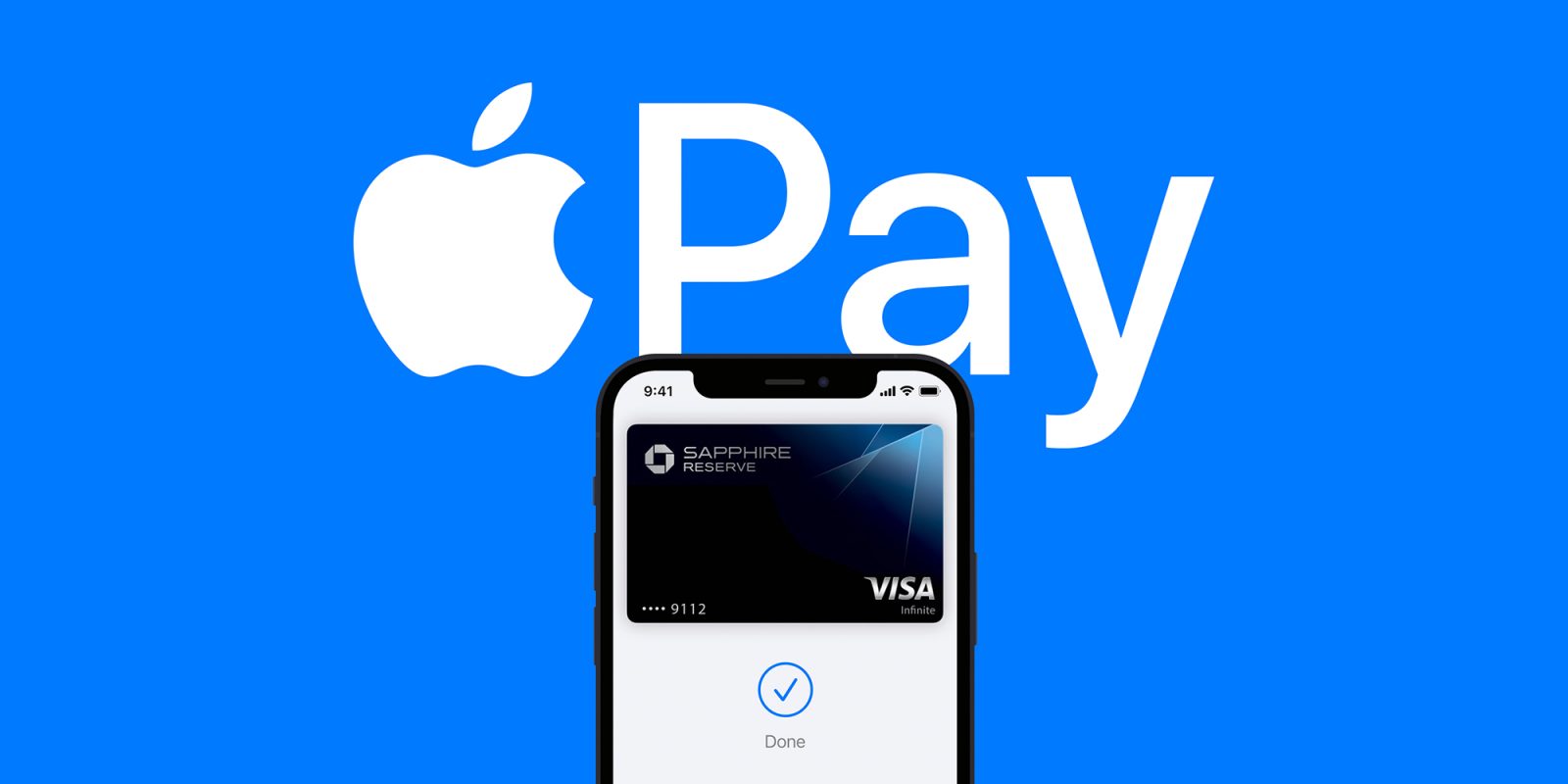
1. Apple Pay is getting even better with four new features and more

9to5Mac · 2026-08-27T23:34:07+00:00

Apple announced four new features for Apple Pay alongside a major regional expansion. The updates aim to refine the checkout process for iPhone users shopping in physical stores, online, and within apps. While specific technical details of the four features remain under wraps, the rollout represents Apple's latest push to consolidate its mobile wallet dominance. The expansion brings these new transaction capabilities to a wider global audience, streamlining how users authenticate and complete payments.

Why it matters: iPhone users get a more versatile digital wallet, while merchants must prepare for updated integration standards to support these new checkout options.

2. The biggest video game of all time looks like a movie

The Verge · 2026-08-27T23:20:00+00:00

Rockstar Games debuted an extended, 27-minute preview of Grand Theft Auto VI on Netflix rather than launching it directly on free platforms like YouTube. **According to analysis by The Verge**, this preview styled itself as a prestige crime drama rather than a traditional video game trailer. The cinematic approach highlights Rockstar's focus on high-fidelity storytelling, treating the upcoming release as a major entertainment event. By leveraging Netflix's platform, Rockstar reached a captive audience of streaming subscribers, signaling a shift in how major video games are marketed to the public.

Why it matters: This partnership signals a convergence of gaming and streaming media, changing how publishers build hype for highly anticipated releases.

3. Anthropic and OpenAI are joining the AI stage at TechCrunch Disrupt 2026

TechCrunch · 2026-08-27T23:16:45+00:00

TechCrunch Disrupt 2026 will feature prominent industry leaders from Anthropic and OpenAI on its AI Stage in San Francisco from October 13 to 15. Presented by Google for Startups, the sessions will tackle the commercial realities of artificial intelligence. Key topics include pricing AI products when foundational models face commoditization, securing autonomous agents from the infrastructure layer up, and establishing go-to-market strategies. **Per TechCrunch's event announcement**, the stage aims to move past basic hype to address the structural security gaps and new job categories emerging from enterprise AI deployment.

Why it matters: Founders and developers get direct insights into pricing strategies and security protocols needed to build sustainable, AI-native businesses.

4. Samsung Galaxy S26 FE uses the Exynos 2500 chipset everywhere

GSMArena · 2026-08-27T23:11:02+00:00

Samsung officially announced the Galaxy S26 FE, powered exclusively by the Exynos 2500 chipset worldwide. Unlike previous releases, which split markets between Qualcomm Snapdragon and proprietary Exynos chips, this launch features no regional hardware division. **According to GSMArena's technical breakdown**, the Exynos 2500 replaces the Exynos 2400 used in the Galaxy S25 FE. The new processor offers architectural improvements designed to boost overall performance and thermal efficiency across all global models.

Why it matters: Buyers no longer have to worry about regional performance disparities, though the Exynos-only strategy puts Samsung's custom silicon performance under intense scrutiny.

5. OpenAI renews push to get Apple’s trade secret theft lawsuit tossed

9to5Mac · 2026-08-27T23:08:40+00:00

OpenAI, along with co-defendants Chang Liu, Tang Tan, and io Products, filed a new petition to dismiss Apple's trade secret misappropriation lawsuit. The defendants are asking the court to dismiss the complaint with prejudice, which would permanently block Apple from refiling the same claims. **Reported by 9to5Mac**, the legal battle centers on allegations of trade secret theft involving former Apple employees who transitioned to the AI firm. This petition represents a concerted push by OpenAI to resolve the costly intellectual property dispute before it reaches a full trial.

Why it matters: The outcome will set a legal precedent for how tech talent and proprietary designs transition between consumer hardware giants and AI startups.

6. Bluesky has a new setting to help you avoid accidentally going viral

Engadget · 2026-08-27T22:36:24+00:00

Bluesky launched a new account-level privacy setting designed to help users avoid unwanted viral attention. The toggle allows users to request that the platform hide their posts from the algorithmic Discover feed, which is the primary driver of non-follower engagement. **As detailed by Engadget**, the setting does not make accounts entirely private, as Bluesky's open AT Protocol does not support fully locked profiles. However, it prevents posts from being pushed to strangers via default algorithms, offering a tool to mitigate sudden, overwhelming public exposure.

Why it matters: Users gain greater control over their digital footprint on open social networks without needing to completely lock down their profiles.

7. Anthropic's new hardware standard lets AI agents control the physical world

Ars Technica · 2026-08-27T22:15:43+00:00

Anthropic introduced a research preview of its Model Hardware Standard, a set of standardized drivers designed to let AI agents control physical devices. The initiative aims to simplify how automated software interfaces with scientific instruments and hardware components. **According to Anthropic's technical release**, the standard provides a common communication layer, eliminating the need for custom, bespoke translation software. This system could reduce the time required to configure complex laboratory experiments from weeks to minutes by allowing devices to communicate directly across a network.

Why it matters: This standard moves AI agents out of purely digital environments, paving the way for automated physical labs and smart hardware integration.

8. You won't be able to hot-wire every car in GTA 6

Engadget · 2026-08-27T22:01:02+00:00

Stealing vehicles in Grand Theft Auto VI will feature new mechanical layers based on the make and model of the car. **According to an IGN preview published by Engadget**, players can no longer automatically hot-wire every vehicle by pressing a single button. Instead, high-end or locked vehicles will remain inaccessible until players progress through the story and acquire specialized tools. Players can still carjack occupied vehicles directly, but parked cars will require strategic planning, adding a progression loop to the game's core driving mechanics.

Why it matters: Players must adapt to more realistic gameplay systems, turning vehicle acquisition into a tactical decision rather than an automatic action.

Source outlets:
  • 9to5Mac — Apple Pay is getting even better with four new features and more
  • The Verge — The biggest video game of all time looks like a movie
  • TechCrunch — Anthropic and OpenAI are joining the AI stage at TechCrunch Disrupt 2026
  • GSMArena — Samsung Galaxy S26 FE uses the Exynos 2500 chipset everywhere
  • 9to5Mac — OpenAI renews push to get Apple’s trade secret theft lawsuit tossed
  • Engadget — Bluesky has a new setting to help you avoid accidentally going viral
  • Ars Technica — Anthropic's new hardware standard lets AI agents control the physical world
  • Engadget — You won't be able to hot-wire every car in GTA 6
Read more ...

Thursday, August 27, 2026

Weekly Tech Digest: Samsung S26 FE, OpenAI Ads, and Meta Lawsuit

DeviceRank News Digest featured image
Featured image from a source covered in this digest.

Digest Highlights

  • Samsung's new Galaxy S26 FE leans heavily on software features and the Exynos 2500 chip rather than major hardware overhauls.
  • OpenAI is introducing advertising to its free and low-priced Go subscription tiers in India to monetize its massive user base.
  • Meta settled an $18 billion lawsuit by agreeing to implement strict, unprecedented safety protections for teenagers on Instagram.

1. ChatGPT Searches Individual Subreddits By Name via @sejournal, @suganthan

Search Engine Journal · 2026-08-27T12:00:30+00:00

A technical breakdown **published by Search Engine Journal** reveals that ChatGPT now queries specific subreddits by name during search operations. Analysis of live traffic logs showed the AI assistant generating targeted search paths, such as querying a single subreddit directly, rather than searching the entire reddit.com domain. In one tracked conversation, ChatGPT retrieved 71 total results, with 48 originating from the targeted community. This targeted retrieval resulted in Reddit threads securing 68% of the total results and the vast majority of the visible citations in the final answer. However, this behavior remains highly query-dependent. In testing conducted just four days prior, a similar commercial query yielded 84 retrieved threads but displayed zero citations, showing how volatile AI source attribution remains.

Why it matters: For publishers and marketers, this shift shows that ChatGPT search visibility is highly concentrated within specific online communities rather than broad domains, making niche community engagement more critical than general SEO.

2. The Samsung Galaxy S26 FE arrives with a new chipset and a host of One UI 9 features

GSMArena · 2026-08-27T12:00:02+00:00

According to **GSMArena**, Samsung launched the Galaxy S26 FE with a heavy focus on One UI 9 software features and day-to-day AI utility. While hardware changes are minimal, the most notable upgrade is the inclusion of the Exynos 2500 processor. Built on a 3nm fabrication process, this chip was previously exclusive to the Galaxy Z Flip7. Interestingly, Samsung avoided highlighting the specific chipset during the official announcement. The transition to the Exynos 2500 represents a direct generational jump over the Exynos 2400 chip used in the preceding Galaxy S25 FE. The strategy indicates Samsung is prioritizing software optimization and internal chip manufacturing efficiencies to keep production costs down while delivering modern software features.

Why it matters: Buyers get flagship-level 3nm processing power and the latest software capabilities without paying full flagship prices, though physical hardware changes remain sparse.

3. What is Android System Intelligence and what happens if you turn it off?

Engadget · 2026-08-27T12:00:00+00:00

A detailed guide from **Engadget** explains the role of Android System Intelligence (ASI), a background system component responsible for running contextual features on Android devices. On Google Pixel phones, ASI powers daily utilities like Live Caption, Now Playing, Smart Autorotate, Screen Attention, and predictive notification actions. To protect user privacy, ASI runs locally inside Android's Private Compute Core, which isolates machine-learning features from direct network access. When cloud updates are necessary, Private Compute Services acts as a secure bridge. While users can disable ASI, doing so breaks these automated features. Google collects diagnostic logs and device identifiers through this service, though users can opt out of usage and diagnostic data collection in their settings.

Why it matters: Understanding ASI helps users make informed decisions about privacy trade-offs, allowing them to balance automated convenience against background data collection.

4. The Samsung Galaxy S26 FE looks like a perfectly cromulent budget flagship

Engadget · 2026-08-27T12:00:00+00:00

Reported by **Engadget**, the Samsung Galaxy S26 FE continues the company's tradition of offering a bridge between mid-range and premium tiers. Priced starting at $700, the device shares its physical footprint with the S26+ but features specifications closer to the mid-range A57. It comes equipped with a 6.7-inch OLED display running at a 120Hz refresh rate, peaking at 1,900 nits of brightness. The rear camera array includes a 12-megapixel main sensor, a 50-megapixel ultra-wide lens, and an 8-megapixel telephoto lens with 3x optical zoom. Under the hood, the device pairs the Exynos 2500 processor with 8GB of RAM and up to 256GB of storage. Additionally, Samsung guarantees seven years of software support and includes a 4,900mAh battery supporting 45W wired charging.

Why it matters: The $700 price point offers a large display and long-term software support, but the 8GB of RAM may limit heavy multitasking and future system performance.

5. Samsung’s Galaxy S26 FE pairs last year’s hardware with last month’s software

The Verge · 2026-08-27T12:00:00+00:00

An analysis by **The Verge** points out that the Galaxy S26 FE represents a highly conservative release for Samsung. The hardware remains largely unchanged from the Galaxy S25 FE launched a year prior. Instead of introducing physical design or sensor updates, Samsung relied on software features that had already debuted on its flagship devices earlier in the year. This approach makes the Fan Edition line feel increasingly familiar and iterative. By recycling existing physical components and porting over existing software tricks, Samsung appears to be focusing on maximizing profit margins on its mid-range lineup rather than pushing technological boundaries or offering unique hardware incentives to upgrade.

Why it matters: Consumers upgrading from very old phones will find value, but current S25 FE owners have virtually no incentive to upgrade given the lack of physical hardware innovation.

6. Sleep score court is in session

The Verge · 2026-08-27T12:00:00+00:00

A review from **The Verge** highlights user frustration with the automated sleep tracking scores provided by the Google Pixel Watch. Through a creative legal narrative, the critique highlights the rigid nature of wearable fitness algorithms. Users find that the watch fails to account for external factors, such as camping trips or environmental disruptions, when calculating sleep quality. For instance, a night spent sleeping outdoors resulted in a low score of 71 out of 100, despite the user's best efforts. While the Pixel Watch offers useful baseline insights like suggesting earlier bedtimes, the software's inability to adjust for extenuating circumstances shows the current limitations of consumer health tracking metrics.

Why it matters: It highlights the need for wearable manufacturers to build more contextual flexibility into health algorithms, rather than relying on rigid, one-size-fits-all scoring systems.

7. Unprecedented teen protections on Instagram see $18B lawsuit settled

9to5Mac · 2026-08-27T11:51:51+00:00

According to a report by **9to5Mac**, Meta has settled an $18 billion lawsuit brought by several US states. The lawsuit accused the social media giant of intentionally designing Instagram to be addictive to teenagers. Under the terms of the settlement, the financial payout will be directed toward funding youth safety initiatives and educational programs. Crucially, Meta has committed to implementing unprecedented technical protections designed to prevent overuse and limit screen time for teenage users on its platforms. While the financial settlement includes specific stipulations on how the funds are distributed, the forced implementation of systemic platform-level safety guardrails represents a major shift in how regulatory bodies hold social media companies accountable.

Why it matters: This settlement forces Meta to prioritize user safety over engagement metrics, potentially setting a legal precedent that changes how all social media apps design their algorithms for minors.

8. OpenAI to start showing ads on ChatGPT’s free and Go tiers in India

TechCrunch · 2026-08-27T11:35:59+00:00

Per a disclosure reported by **TechCrunch**, OpenAI will begin displaying advertisements to users on its ChatGPT Free and Go subscription tiers in India. The decision follows a recent update to OpenAI's terms of service that paved the way for ad integration. India represents a massive market for the company, boasting over 100 million weekly active users, most of whom utilize the free tier or the affordable Go subscription. OpenAI is launching the ad initiative with 50 brands, partnering with major advertising agencies WPP and Omnicom. Additionally, OpenAI plans to launch a dedicated ad manager next month, allowing businesses to run campaigns with a minimum daily budget of 725 rupees, or roughly 7.60 dollars, targeting users during high-context search moments.

Why it matters: Free users will have to tolerate ads in their conversational flows, signaling a major shift in how AI platforms plan to monetize their massive operational costs globally.

Source outlets:
  • Search Engine Journal — ChatGPT Searches Individual Subreddits By Name via @sejournal, @suganthan
  • GSMArena — The Samsung Galaxy S26 FE arrives with a new chipset and a host of One UI 9 features
  • Engadget — What is Android System Intelligence and what happens if you turn it off?
  • Engadget — The Samsung Galaxy S26 FE looks like a perfectly cromulent budget flagship
  • The Verge — Samsung’s Galaxy S26 FE pairs last year’s hardware with last month’s software
  • The Verge — Sleep score court is in session
  • 9to5Mac — Unprecedented teen protections on Instagram see $18B lawsuit settled
  • TechCrunch — OpenAI to start showing ads on ChatGPT’s free and Go tiers in India
Read more ...

Tech Digest: Meta's $18B Settlement and OpenAI Ads

Exciting AI Launch - DeviceRank News Digest
Featured Image: Mock Tech

Digest Highlights

  • Meta settled an $18 billion lawsuit over teen addiction, agreeing to implement strict screen-time protections.
  • OpenAI is introducing advertisements to its free and low-cost ChatGPT subscription tiers in India.
  • Samsung pushed display boundaries at Gamescom by showcasing a 27-inch monitor with an 1,100Hz refresh rate.

1. Exciting AI Launch

Mock Tech · 2026-08-27T12:00:00+00:00

Reported by Mock Tech, a new product announcement has introduced a fresh AI launch to the market. The coverage outlines a comprehensive overview of the product's debut, highlighting how companies continue to prioritize artificial intelligence developments. While specific hardware or architectural details remain limited in the initial release, the announcement signals ongoing industry momentum. The launch represents a direct effort to capture user attention in a highly competitive software environment. Analysts track these developments to understand how new tools integrate into existing workflows. This release serves as another step in the broader commercialization of machine learning applications across consumer platforms. The industry continues to see rapid shifts as software providers race to deploy consumer-ready tools.

Why it matters: Consumers get a glimpse of the accelerating pace of AI product releases, though hardware specifications remain unconfirmed.

2. Unprecedented teen protections on Instagram see $18B lawsuit settled

9to5Mac · 2026-08-27T11:51:51+00:00

According to 9to5Mac, Meta has reached a settlement with several US states to resolve an $18 billion lawsuit. The legal action accused the social media giant of deliberately designing Instagram to be addictive to teenagers. Under the terms of the agreement, the settled funds will go toward supporting youth safety initiatives and related programs, though specific conditions apply to the distribution. Crucially, Meta has committed to implementing unprecedented safety protections designed to prevent the excessive use of its social media applications among teenage users. This settlement represents a major regulatory milestone in addressing the psychological impact of social platforms on younger demographics. The agreement aims to reshape how social media companies manage minor accounts.

Why it matters: Teen users will gain stronger built-in usage limits on Instagram, while the massive settlement sets a precedent for platform accountability.

3. Of course Samsung made a 1,100Hz gaming monitor

The Verge · 2026-08-27T11:38:10+00:00

Per The Verge, Samsung announced its upcoming lineup of Odyssey gaming monitors at the Gamescom event. The company plans to introduce several models featuring display speed and design innovations for the 2027 market. A key highlight is the 27-inch Odyssey G6, a monitor originally revealed in December, which now boasts an ultra-fast 1,100Hz refresh rate. Alongside this model, Samsung is updating its OLED Odyssey G9, G8, and G7 series. These hardware updates target enthusiasts who demand extreme responsiveness and high-frequency refresh rates for competitive gaming scenarios. The announcement demonstrates Samsung's commitment to pushing panel technology to extreme performance levels.

Why it matters: Competitive gamers can expect unprecedented motion clarity, though driving an 1,100Hz panel will require immense graphical processing power.

4. OpenAI to start showing ads on ChatGPT’s free and Go tiers in India

TechCrunch · 2026-08-27T11:35:59+00:00

Reported by TechCrunch, OpenAI will introduce advertisements to its ChatGPT Free and Go subscription tiers in India. This decision follows a recent update to the company's terms of service, which paved the way for ad integration within the AI assistant. OpenAI currently has over 100 million weekly active users in India, with a significant portion relying on these lower-cost or free options. To launch this initiative, OpenAI partnered with advertising agencies WPP and Omnicom to showcase ads from 50 brands. Additionally, the company plans to launch an ad manager next month, allowing marketers to run campaigns with a minimum daily budget of ₹725, which is roughly $7.60. This move represents a major shift in OpenAI's monetization strategy.

Why it matters: Free-tier ChatGPT users in India must adapt to sponsored interruptions, while local businesses gain an affordable entry point for AI-targeted advertising.

5. An EV that sounds like a 6.75 L V8: A ride in the Bentley Torcal

Ars Technica · 2026-08-27T11:30:09+00:00

According to Ars Technica, the newly introduced Bentley Torcal represents the luxury brand's entry-level electric vehicle. Positioned as a more affordable alternative to the Bentayga, this electric model aims to capture a broader segment of high-end buyers. A notable engineering characteristic of the Torcal is its simulated powertrain sound, which mimics the auditory profile of a traditional 6.75-liter V8 combustion engine. This feature addresses a common critique of quiet electric powertrains by retaining the familiar auditory feedback of classic luxury vehicles. The vehicle combines modern electric propulsion with legacy brand characteristics to ease the transition for traditional car enthusiasts.

Why it matters: Luxury buyers transitioning to electric vehicles can maintain the familiar acoustic experience of classic combustion engines at a lower price point than the Bentayga.

6. Redmi Note 17 and Redmi Note 17 5G focus on big batteries and displays

GSMArena · 2026-08-27T11:15:03+00:00

Per GSMArena, Xiaomi has launched its global Redmi Note 17 family, focusing heavily on larger batteries and displays. The non-Pro lineup consists of the standard Redmi Note 17 and the Redmi Note 17 5G, which share similar physical designs but differ in processing power and connectivity. The standard 4G model runs on a 6nm Snapdragon 6s Gen 2 processor, offering up to 2.9GHz clock speeds paired with 4GB, 6GB, or 8GB of RAM. In contrast, the 5G variant features a 4nm Snapdragon 4 Gen 4 chipset with a 2.3GHz CPU and comes with either 6GB or 8GB of RAM, enabling faster mobile data speeds. Both models aim to deliver reliable daily performance.

Why it matters: Budget-conscious buyers must choose between the faster processing of the 4G model or the future-proof network speeds of the 5G variant.

7. The Xiaomi 18 Fold leaks, ahead of the iPhone Ultra launch

9to5Mac · 2026-08-27T11:09:36+00:00

According to 9to5Mac, leaked images of the upcoming Xiaomi 18 Fold suggest that the book-style folding design has solidified its position as the preferred form factor for foldable smartphones. This design choice mirrors the approach seen in Samsung's eighth-generation folding devices and aligns with expectations surrounding Apple's rumored iPhone Ultra. The industry shift indicates that the wider, book-style layout offers better usability compared to clamshell flip designs. The leak provides an early glimpse of Xiaomi's hardware strategy ahead of major competing product launches in the premium smartphone segment. Manufacturers are increasingly prioritizing screen real estate over ultra-compact designs.

Why it matters: Smartphone buyers looking for foldable devices can expect more refined book-style options as manufacturers abandon the less popular flip form factor.

8. Xiaomi Redmi Note 17 Pro Max review

GSMArena · 2026-08-27T11:08:02+00:00

Per GSMArena, the publication has published its comprehensive review of the Xiaomi Redmi Note 17 Pro Max. This premium model sits at the top of the newly introduced global Redmi Note 17 family. The review evaluates how the top-tier Pro Max version compares to the standard and 5G models in terms of performance, camera capabilities, and overall value. By examining this flagship entry alongside the more budget-friendly variants, the analysis helps consumers determine whether the upgraded Pro features justify the price premium over the standard models. The review provides critical purchasing guidance for buyers looking to upgrade their mobile hardware.

Why it matters: Buyers seeking the best balance of price and performance can determine if the premium Pro Max features are worth the extra cost over standard models.

Source outlets:
  • Mock Tech — Exciting AI Launch
  • 9to5Mac — Unprecedented teen protections on Instagram see $18B lawsuit settled
  • The Verge — Of course Samsung made a 1,100Hz gaming monitor
  • TechCrunch — OpenAI to start showing ads on ChatGPT’s free and Go tiers in India
  • Ars Technica — An EV that sounds like a 6.75 L V8: A ride in the Bentley Torcal
  • GSMArena — Redmi Note 17 and Redmi Note 17 5G focus on big batteries and displays
  • 9to5Mac — The Xiaomi 18 Fold leaks, ahead of the iPhone Ultra launch
  • GSMArena — Xiaomi Redmi Note 17 Pro Max review
Read more ...

Nvidia Hugging Face Acquisition: A $12.9B AI Power Play

Nvidia closes in on Hugging Face acquisition - DeviceRank
Featured Image: TechCrunch

Key Takeaways & Highlights

  • Nvidia is in advanced talks to acquire Hugging Face, the 'GitHub of AI', in a deal valued at approximately $12.9 billion.
  • The acquisition is a strategic move to protect Nvidia's GPU monopoly against hyperscalers (Google, Amazon, Meta, OpenAI) building custom AI chips.
  • By owning the largest open-source AI hub, Nvidia can ensure the developer ecosystem remains dependent on its hardware rather than proprietary closed-source clouds.
  • The deal highlights growing geopolitical and regulatory tensions surrounding open-weight AI models, particularly in competition with Chinese AI developments.

Nvidia is reportedly on the verge of pulling off one of the most consequential acquisitions in the history of artificial intelligence. According to reports from The Information and Business Insider, the semiconductor giant is closing in on a deal to acquire Hugging Face, the central hub for open-source AI, for a staggering $12.9 billion (with some sources indicating the final valuation could surpass $13 billion).

While the agreement has not yet been finalized and talks could still dissolve, the sheer scale and strategic intent behind this potential Nvidia Hugging Face acquisition have sent shockwaves through the tech industry. This is not just a standard corporate buyout; it is a defensive and offensive masterstroke designed to secure Nvidia's dominance in the AI era.

Key Takeaways

  • The Deal: Nvidia is in late-stage talks to buy Hugging Face for $12.9B to $13B.
  • The Strategy: Protect Nvidia's GPU monopoly by fostering an open-source alternative to closed-source giants like OpenAI and Google.
  • The Moat: By keeping open-source AI thriving, Nvidia ensures developers build on hardware-dependent models rather than proprietary cloud APIs.
  • Geopolitical Context: The acquisition comes amid intense debates in Washington over open-weight security and competition with China.
Nvidia CEO Jensen Huang and Hugging Face CEO Clem Delangue
The reported acquisition would unite Nvidia's hardware empire with Hugging Face's massive developer ecosystem.

Why Nvidia Wants Hugging Face: The Battle for Silicon Dominance

To understand why Nvidia is willing to spend nearly $13 billion on a platform that hosts free, open-source AI models, one must look at the shifting dynamics of AI chip competition.

Currently, Nvidia controls upwards of 80% of the market for high-end AI chips. However, its most lucrative customers—hyperscalers and closed-source AI pioneers like Google, Amazon, Microsoft, Meta, and OpenAI—are actively developing their own custom silicon (TPUs, Trainium, Maia, etc.) to break free from the Nvidia GPU monopoly.

If the future of AI is dominated entirely by closed-source, proprietary models hosted inside the walled gardens of these tech giants, Nvidia’s long-term hardware dominance is at risk. Why? Because these giants will run their proprietary models on their own custom chips, bypassing Nvidia entirely.

By acquiring Hugging Face, Nvidia builds an impenetrable moat:

  • Empowering the Alternatives: Hugging Face is the undisputed home of open-source AI models (like Meta's Llama, Mistral, and thousands of others). A thriving open-source ecosystem gives developers, startups, and enterprises viable alternatives to closed-source systems like GPT-4 or Claude.
  • Securing Hardware Dependency: Unlike closed-source APIs, open-source models must be downloaded, customized, and run on raw compute. This keeps the global developer community dependent on buying, renting, and optimizing Nvidia GPUs.
  • Expanding into Cloud Services: Hugging Face provides Nvidia with an instant, highly integrated software-and-cloud ecosystem, allowing the hardware giant to offer seamless end-to-end AI development pipelines.

The Geopolitical and Regulatory Backdrop

The relationship between Nvidia CEO Jensen Huang and Hugging Face CEO Clem Delangue has grown visibly closer over the past year. Both executives have been vocal advocates for the preservation of open-weight AI models, which have recently faced intense scrutiny in Washington.

Critics of open-source AI, including some closed-source labs and government advisors, argue that releasing powerful model weights poses a national security risk, particularly if foreign adversaries like China utilize them. Indeed, Chinese labs like Moonshot AI have released systems like the Kimi K3 model, which match leading U.S. models on benchmarks while operating at a fraction of the cost.

However, Delangue and Huang have pushed back against these restriction efforts. Recently, both CEOs signed an open letter urging the U.S. government to support open models rather than restrict them, arguing that open-source technology is vital for domestic innovation and cybersecurity. Delangue even pointed out in a CBS interview that Hugging Face successfully used an Nvidia-modified version of a Chinese open-source model to defend its infrastructure after a cyberattack, demonstrating the collaborative power of open-weight systems.

What the Nvidia Hugging Face Acquisition Means for Developers

For the millions of developers who use Hugging Face daily as the "GitHub of AI," this acquisition raises critical questions about platform neutrality. Hugging Face has historically succeeded because it is a neutral, hardware-agnostic repository. Developers can easily deploy models to AWS, Google Cloud, Microsoft Azure, or run them on AMD and Intel hardware.

If Nvidia takes ownership, will that neutrality persist? While Nvidia has a track record of keeping its software acquisitions (like Mellanox) relatively open to maintain industry-wide integration, competitors like AMD and Intel will undoubtedly look at the platform with newfound suspicion. Nvidia will need to tread carefully to avoid alienating the open-source community that made Hugging Face valuable in the first place.

Conclusion: A New Era of Vertical Integration

The reported Nvidia Hugging Face acquisition is a clear signal that the AI war is moving from pure hardware capability to ecosystem control. By securing the world's largest repository of open-source AI models, Nvidia isn't just buying a software company—it is buying the loyalty, workflows, and hardware dependency of the next generation of AI developers. If finalized, this $12.9 billion deal will solidify Nvidia's position not just as a chipmaker, but as the ultimate orchestrator of the global AI landscape.

Frequently Asked Questions

Is Nvidia officially buying Hugging Face?

Reports from The Information and Business Insider indicate that Nvidia has agreed to acquire Hugging Face for approximately $12.9 billion to $13 billion, though the final contract has not been officially signed and talks could still theoretically dissolve.

Why is Hugging Face worth $12.9 billion to Nvidia?

Hugging Face is the premier hub for open-source AI models. By acquiring it, Nvidia secures a direct line to millions of developers, ensuring they continue to build on open-source models that require Nvidia hardware, rather than relying on closed-source models run on competitors' custom chips.

Will Hugging Face remain open-source under Nvidia?

While Nvidia is expected to keep the platform open to maintain its massive developer base, industry experts expect deeper integration with Nvidia's proprietary software stack (like CUDA and NIM), which could raise concerns about hardware neutrality.

How does this acquisition affect competitors like AMD and Intel?

If Nvidia prioritizes its own hardware optimizations on Hugging Face, competitors like AMD and Intel may face disadvantages, potentially leading to antitrust scrutiny or the rise of alternative open-source repositories.

Originally reported by TechCrunch. Full coverage reference: TechCrunch.
Read more ...
© Copyright 2014-17
| Designed By
| Powered By Blogger | Subscribe Us | Report Abuse | Sitemap
DMCA.com Protection Status